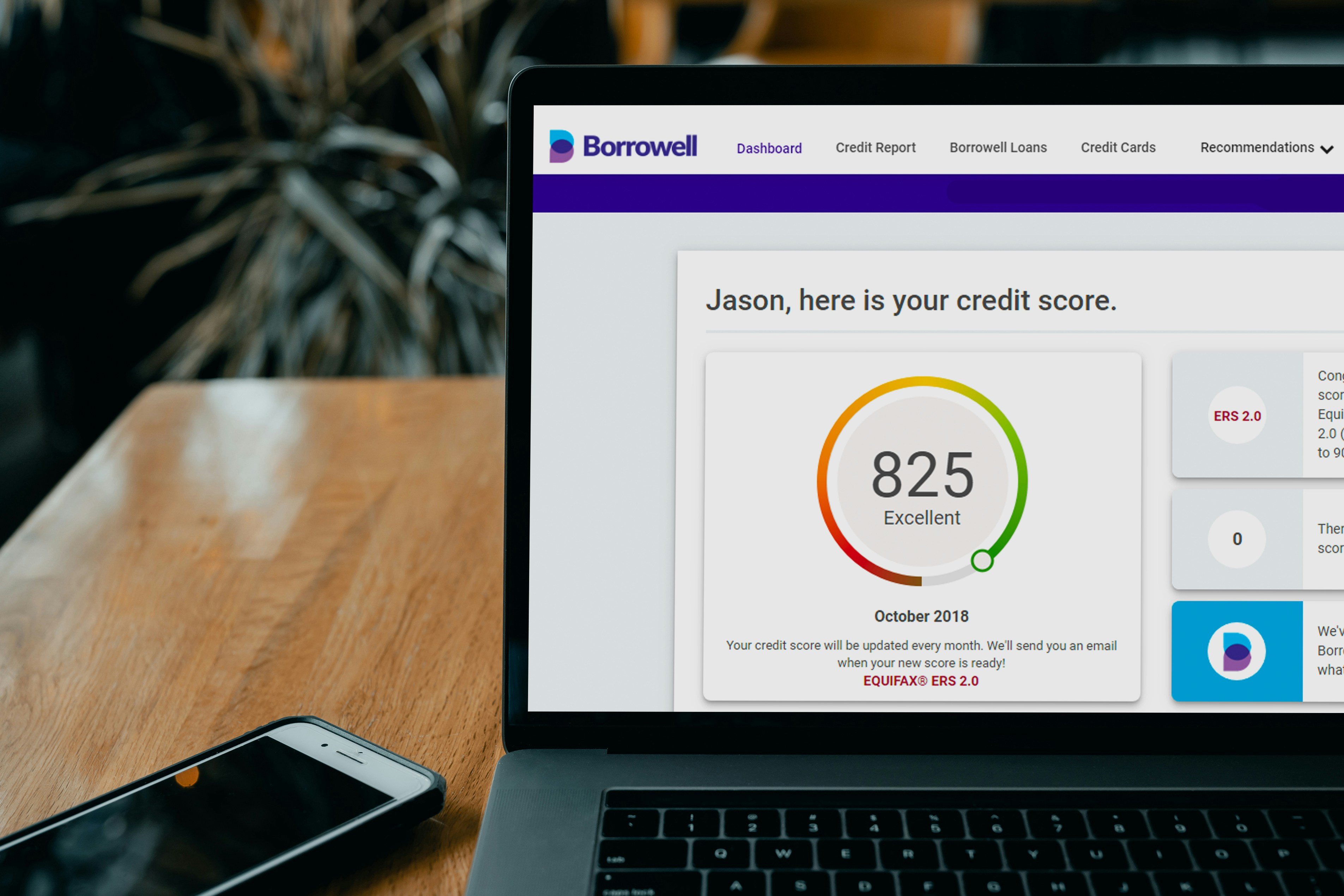
Understanding Credit Scores
A credit score is a numerical representation of a person’s creditworthiness, which provides an estimate of the likelihood that an individual will repay borrowed money. Typically ranging from 300 to 850, a higher score reflects a lower risk for lenders, making it easier for individuals to secure loans and obtain favorable interest rates. Understanding your credit score is crucial, as it can profoundly impact financial opportunities, affecting everything from mortgage applications to insurance premiums.
The calculation of a credit score is based on five key components: payment history, amounts owed, length of credit history, types of credit used, and recent credit inquiries. Payment history represents 35% of the total score and is influenced by on-time payments versus any missed or late payments. The amounts owed, constituting 30% of the credit score, refer to outstanding debts in comparison to credit limits. Keeping low balances relative to credit limits is beneficial.
Length of credit history accounts for 15% and reflects how long accounts have been active. A longer credit history is generally seen favorably, as it provides a more extensive record of behavior. Types of credit used, which make up 10% of the score, consider a mix of installment loans (such as car loans) and revolving credit (like credit cards). Lastly, recent credit inquiries, comprising 10%, denote how many times a credit report has been checked by creditors in response to applications. Multiple inquiries within a short time can negatively affect one’s score, signaling potential risk.
In summary, understanding credit scores involves recognizing how they are calculated and the factors that can influence them. By being aware of these aspects, individuals can take informed actions to improve their creditworthiness without incurring new debt.
The Importance of a Good Credit Score
A good credit score is pivotal in today’s financial landscape, serving as a vital indicator of an individual’s creditworthiness. Lenders utilize credit scores as a primary tool for evaluating loan applications. A higher credit score significantly increases the likelihood of loan approval, allowing individuals to secure favorable financing options accessible primarily to those with strong credit histories.
Moreover, a good credit score often translates to lower interest rates on loans and credit cards. This can result in significant savings over time, as borrowers with higher credit ratings are generally offered prime rates that reduce the overall cost of borrowing. In contrast, those with lower credit scores may face higher rates, compounding their financial burdens.
Additionally, credit history information plays a role that extends beyond just loan approval and interest rates. Many insurance companies consider credit scores when determining policy premiums. A good credit score can lead to lower insurance rates, thus making it an important factor in managing ongoing expenses. This aspect underscores the necessity of individuals to maintain a solid credit profile to mitigate costs effectively.
Furthermore, an increasing number of employers are incorporating credit checks into their hiring processes. A good credit score can enhance one’s employment prospects, especially in positions that require financial responsibility or access to sensitive financial information. As such, individuals striving to improve their credit score not only enhance their financial options but also bolster their professional opportunities.
In essence, the importance of a good credit score cannot be overstated. It serves as a cornerstone of financial health, influencing various aspects of one’s personal and professional life. By prioritizing efforts to improve credit scores, individuals can unlock better financial terms, lower insurance costs, and expand career possibilities.
Reviewing Your Current Credit Report
Understanding your credit report is a crucial step in improving your credit score without incurring new debt. You are entitled to obtain a free credit report annually from each of the three major credit bureaus namely Equifax, Experian, and TransUnion. To access your free credit report, visit AnnualCreditReport.com where you can request your report securely and conveniently.
Once you have your credit report, it is essential to review it thoroughly. Pay attention to details such as your account information, payment history, outstanding debts, and inquiries into your credit. Errors or inaccuracies in your report can significantly impact your credit score. Common errors may include incorrect account balances, wrong payment statuses, or even accounts that don’t belong to you at all.
Should you identify any discrepancies in your report, it is imperative to dispute them promptly. Each credit bureau provides a formal process for disputing inaccuracies. You can typically initiate a dispute online, providing the necessary information and supporting documentation. Following this procedure helps update your credit report accurately and can improve your credit score over time.
Additionally, monitoring your credit report regularly can aid in identifying potential identity theft or fraud at an early stage. While checking for inaccuracies, also take note of your credit utilization ratio as it directly affects your score. Aim to keep this ratio below 30% of your total credit limit.
In summary, proactively obtaining and reviewing your credit report is vital. It allows you to ensure the accuracy of your credit history and make informed decisions that can enhance your credit score without taking on new debt.
Payment History: Your Best Ally
Your payment history is a crucial component of your credit score, accounting for a significant portion of your overall creditworthiness. It reflects your reliability in repaying debts on time, and even a single missed payment can have lasting effects on your score. To ensure a strong credit score, it is essential to prioritize timely bill payments.
One practical approach to maintaining positive payment history is to set reminders for due dates. Utilizing calendar alerts—be it on your phone, digital calendar, or email notifications—can significantly reduce the likelihood of overlooking payments. These reminders serve as valuable nudges to pay your bills promptly, keeping your credit score intact.
Furthermore, automating your bill payments can provide an even more robust safeguard against missed deadlines. By enrolling in automatic payment services for your regular bills, you ensure that payments are withdrawn directly from your bank account on their respective due dates. This not only simplifies the payment process, but also helps you avoid negative repercussions on your credit score.
In instances where you have fallen behind on payments, it is vital to catch up as quickly as possible. Delinquent accounts can linger on your credit report for years, adversely affecting your credit score. If you do find yourself missing a payment, making the payment as soon as possible can help mitigate damage. Communicating with creditors may also provide flexibility; some lenders may offer a grace period if you reach out beforehand.
Overall, being proactive about your payment history is paramount. Regularly reviewing your accounts and keeping track of your payment commitments not only reinforces your credibility as a borrower but also fortifies your credit score for the long term.
Reducing Your Credit Utilization Ratio
Credit utilization is a critical component of your credit score, representing the ratio of your credit card balances to your total credit limits. A lower credit utilization ratio is generally seen as favorable by creditors and can significantly influence your overall creditworthiness. Ideally, it is recommended to keep this ratio below 30%. Maintaining a low credit utilization not only helps enhance your credit score but also provides a better financial profile to lenders.
To effectively reduce your credit utilization ratio, consider paying down existing balances on your credit cards. By lowering the outstanding balance, you not only improve your credit utilization but also reduce the amount of interest you accrue if you carry a balance. This proactive approach assists in elevating your credit score, which can be beneficial when seeking loans or new credit in the future.
Additionally, it is prudent to keep your total credit card balances well within 30% of your limits. For example, if you have a total credit limit of $10,000, aim to maintain your balances below $3,000. To further enhance your credit utilization strategy, consider requesting a credit limit increase on your existing accounts; this is often possible without a hard inquiry on your credit report. Increasing your available credit while maintaining or reducing your current balances can lead to an even lower ratio.
Another effective strategy is to diversify your usage across multiple cards, spreading your expenditures to avoid maxing out one card. This is beneficial in maintaining a low credit utilization ratio. Overall, by implementing these strategies, you can positively impact your credit score without taking on additional debt, improving your financial health and stability in the long term.
Length of Credit History: Why It Matters
The length of credit history is a significant factor influencing your credit score, accounting for approximately 15% of the overall calculation. This component reflects how long your credit accounts have been active, including both revolving credit, such as credit cards, and installment loans, like mortgages. A longer credit history usually signals to lenders that you are more experienced in managing debt effectively, giving them more confidence in your ability to handle future borrowing.
One practical tip for improving your credit score is to keep your oldest credit accounts open. Even if you no longer use these accounts, they contribute positively to the average age of your credit. Closing old accounts can reduce your credit history length and might negatively impact your credit score. It is advised to maintain these accounts in good standing by occasionally using them for small purchases and ensuring timely payments. This practice not only demonstrates your reliability to creditors but can also improve your credit utilization ratio, another crucial aspect of credit scoring.
Furthermore, fostering a long-standing relationship with creditors can yield various benefits beyond just affecting your credit score. Established accounts often come with advantages such as increased credit limits and lower interest rates, reflecting the trust that lenders place in you. Over time, a longer credit history can cultivate a positive credit narrative, emphasizing your ability to manage credit responsibly.
Ultimately, recognizing the importance of the length of credit history is essential for anyone looking to enhance their credit score. By conscious management of your credit accounts, particularly older ones, you can benefit from a more favorable assessment from lenders.
Diversifying Your Credit Mix
One of the critical aspects of maintaining a healthy credit score is the diversity of your credit mix. Credit scoring models, such as those created by FICO, take into account the types of credit accounts you have, which generally fall into two categories: revolving credit and installment credit. Revolving credit accounts, such as credit cards, allow consumers to borrow money up to a certain limit repeatedly, while installment accounts, such as personal loans or mortgages, involve borrowing a fixed amount and repaying it over a set period.
Having a blend of these credit types can positively influence your credit score by demonstrating to lenders your ability to manage different types of credit responsibly. For example, if a consumer only possesses one type of credit, such as a credit card, it could limit their score because it fails to show versatility in repayment. This is where diversifying your credit mix becomes vital.
To build a diverse credit portfolio, you may consider applying for a small installment loan, which could be a personal loan or even financing for a large purchase like furniture or electronics. Ensure that any new credit accounts are manageable and within your financial capacity to repay. Additionally, if you currently hold only revolving credit accounts, introducing an installment loan can create a more balanced credit mix.
However, it is essential to approach this diversification cautiously. Only apply for credit accounts that you genuinely need and can afford. Each new application may generate a hard inquiry on your credit report, which can negatively affect your score in the short term. Also, maintaining timely payments across all credit types will enhance your credit score in the long run.
Staying Informed about Credit Monitoring
Credit monitoring is an essential tool that allows individuals to keep track of their credit scores and receive timely alerts regarding significant changes in their credit reports. By continuously monitoring one’s credit report, individuals can be proactive about their financial health and identify issues that may adversely affect their credit score. This resource enables consumers to understand the factors influencing their credit profiles, thus empowering them to take appropriate actions.
There are several benefits associated with credit monitoring. First, it helps consumers detect any suspicious activity or potential identity theft early on. Instances of fraudulent accounts or unauthorized charges can severely impact credit scores, and quick detection can mitigate long-term damage. Furthermore, consistent monitoring enables individuals to observe trends in their credit scores, which can be instrumental in devising effective credit improvement strategies.
Numerous tools and resources are available for those interested in monitoring their credit. Many financial institutions provide complimentary credit monitoring services to account holders, while a variety of third-party websites and applications can assist users in tracking their scores without incurring costs. Popular services like Credit Karma, Experian, and TransUnion not only offer access to credit scores, but also supply personalized insights and recommendations tailored to users’ credit profiles. Additionally, many of these platforms provide alerts for any changes that might occur, allowing users to address potential issues swiftly.
In conclusion, staying informed about one’s credit through effective monitoring can significantly enhance financial stability. By leveraging the tools and resources available, individuals can better understand their credit, take actionable steps to improve it, and ensure that they remain in control of their financial futures.
Establishing a Long-term Plan for Credit Improvement
To achieve lasting improvement in your credit score, it is essential to establish a long-term strategy focused on sustainable financial health. This plan should encompass realistic credit goals, consistent monitoring of your credit status, and the cultivation of responsible financial habits. Setting achievable objectives is crucial. For instance, aim to reduce your outstanding debt by a specific percentage or increase your on-time payment streak over a designated period. Break these larger goals into smaller, manageable milestones to track your progress effectively.
Regularly reviewing your credit report is another key component of maintaining an accurate and positive credit history. Schedule periodic checks—at least twice a year—to evaluate your credit standing. This practice not only allows you to identify inaccuracies or areas needing improvement but also helps keep you informed about your credit utilization ratio and payment history, both of which are significant factors in determining your credit score. Request free credit reports from the major credit bureaus to monitor changes and discrepancies.
Moreover, cultivating good financial habits is fundamental to supporting your long-term credit plan. Make a habit of paying bills on time, as timely payments constitute a major portion of your credit score. Additionally, consider setting up automatic payments or reminders for bills and credit obligations. Minimize the use of credit cards to keep your utilization ratio in check, and avoid opening unnecessary new accounts, which can lead to hard inquiries that might negatively impact your score.
By establishing these strategies and committing to sustained effort, you can improve your credit score significantly over time, paving the way for better financial opportunities and greater peace of mind.